Sustainability Through Longevity
Introduction: The Most Overlooked Truth About Sustainability
Sustainability is often discussed in terms of materials—recycled fabrics, organic sourcing, and eco-friendly packaging.
While important, these miss a deeper truth:
The most sustainable product is the one you don’t need to replace.
In 2026, sustainability is shifting from materials to behavior.
It is no longer just about what something is made of, but:
- How long it lasts
- How often it is used
- How intentionally it is chosen
The Problem with Modern Consumption
The Cycle of Overconsumption
- Buy
- Use briefly
- Replace
- Repeat
Result:
- More waste
- Higher resource use
- Environmental strain
Longevity: The Foundation of True Sustainability
- Lasts for years
- Maintains performance
- Remains relevant
Key insight: One long-lasting product is more sustainable than multiple short-lived ones.
Timeless Design
- Prevents obsolescence
- Maintains relevance
- Reduces replacement cycles
Result: Products stay in use longer naturally.
Intelligent Functionality
- Designed for real use
- Fits daily routines
- Encourages consistent usage
Insight: A product that is not used is wasteful—even if it is sustainable in material.
Responsible Craftsmanship
- Durable materials
- Strong construction
- Ethical production
Impact:
- Fewer replacements
- Lower waste
- Longer lifespan
The Role of Consumer Behavior
Unsustainable Behavior
- Impulse buying
- Trend chasing
- Frequent replacement
Sustainable Behavior
- Buy less
- Choose better
- Use longer
Cost Per Wear as a Sustainability Metric
- Longer usage = lower environmental impact
- Fewer replacements = less waste
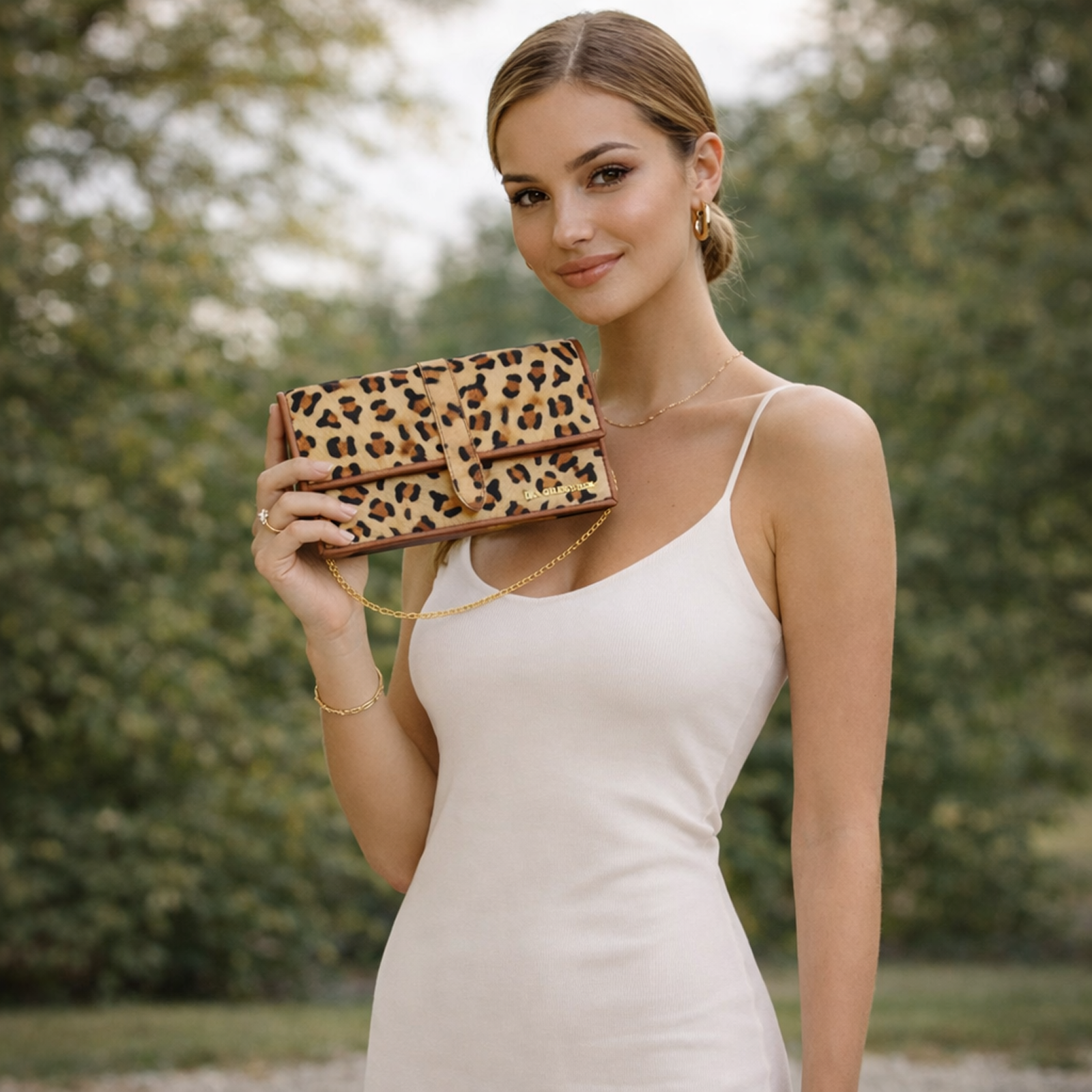
Example: One bag used for 5 years has a lower impact than multiple bags replaced annually.
Emotional Durability
- Stays meaningful
- Remains desirable
- Builds attachment
Insight: Products are often replaced emotionally, not physically.
Leather and Longevity
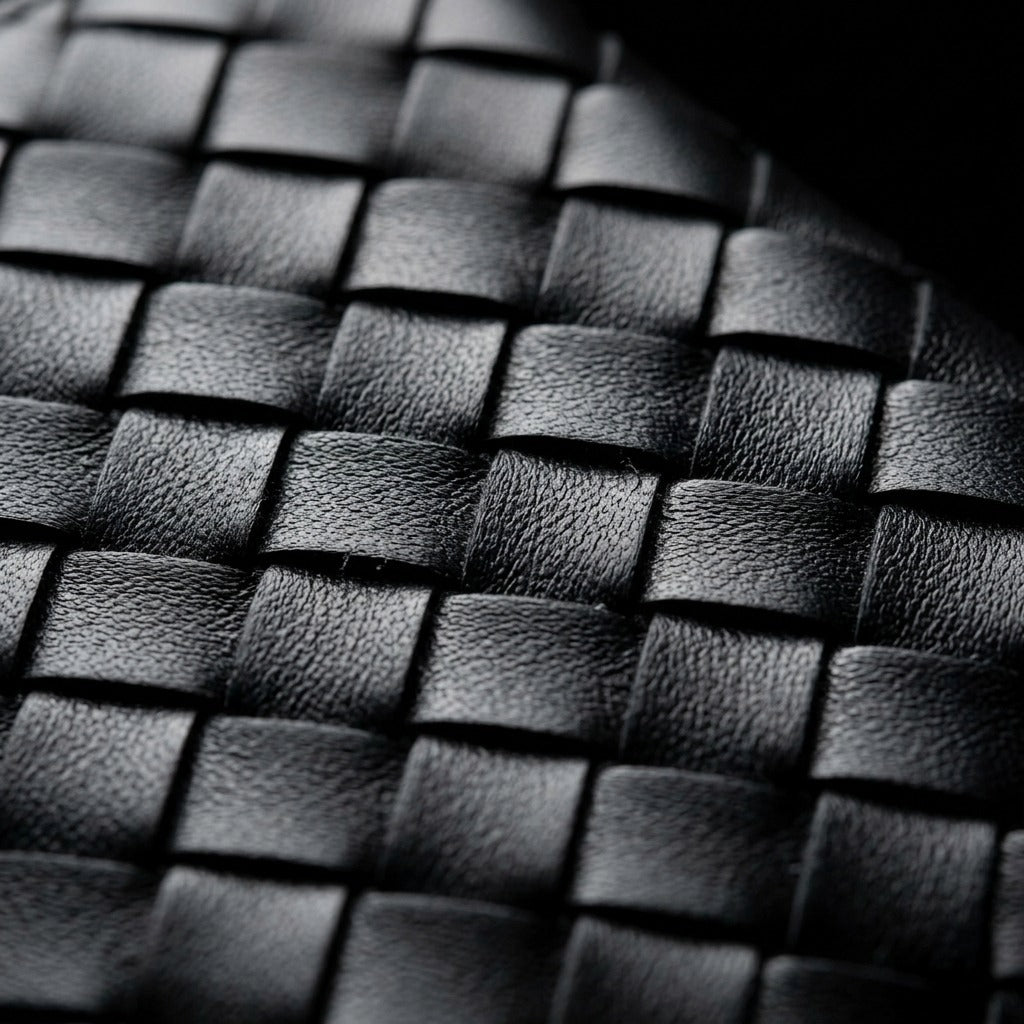
- Durable and resilient
- Ages gracefully
- Improves with use
Result: Long lifespan and reduced replacement cycles.
Common Misconceptions
“Sustainable Means Expensive”
Durable products often reduce long-term cost.
“Eco-Friendly Materials Are Enough”
Without longevity, sustainability is incomplete.
“Buying Less Means Sacrifice”
It actually increases quality and satisfaction.
How to Buy More Sustainably
Step 1: Focus on Longevity
Will this last for years?
Step 2: Choose Timeless Design
Avoid trend-driven products.
Step 3: Prioritize Functionality
Ensure regular, real-life use.
Step 4: Invest in Craftsmanship
Look for durability and quality materials.
The Long-Term Impact
- Less waste
- Lower consumption
- Better production systems
Over time: fewer but better products define the system.
Final Thoughts: Sustainability Is a Long-Term Decision
- Consistent choices
- Intentional buying
- Long-term thinking
Conclusion
Sustainability through longevity is built on:
- Timeless Design → prevents obsolescence
- Intelligent Functionality → ensures consistent use
- Responsible Craftsmanship → extends lifespan
The real goal is not just to buy better—but to buy less and use longer.

Written by LA CRESSIDA Cressida