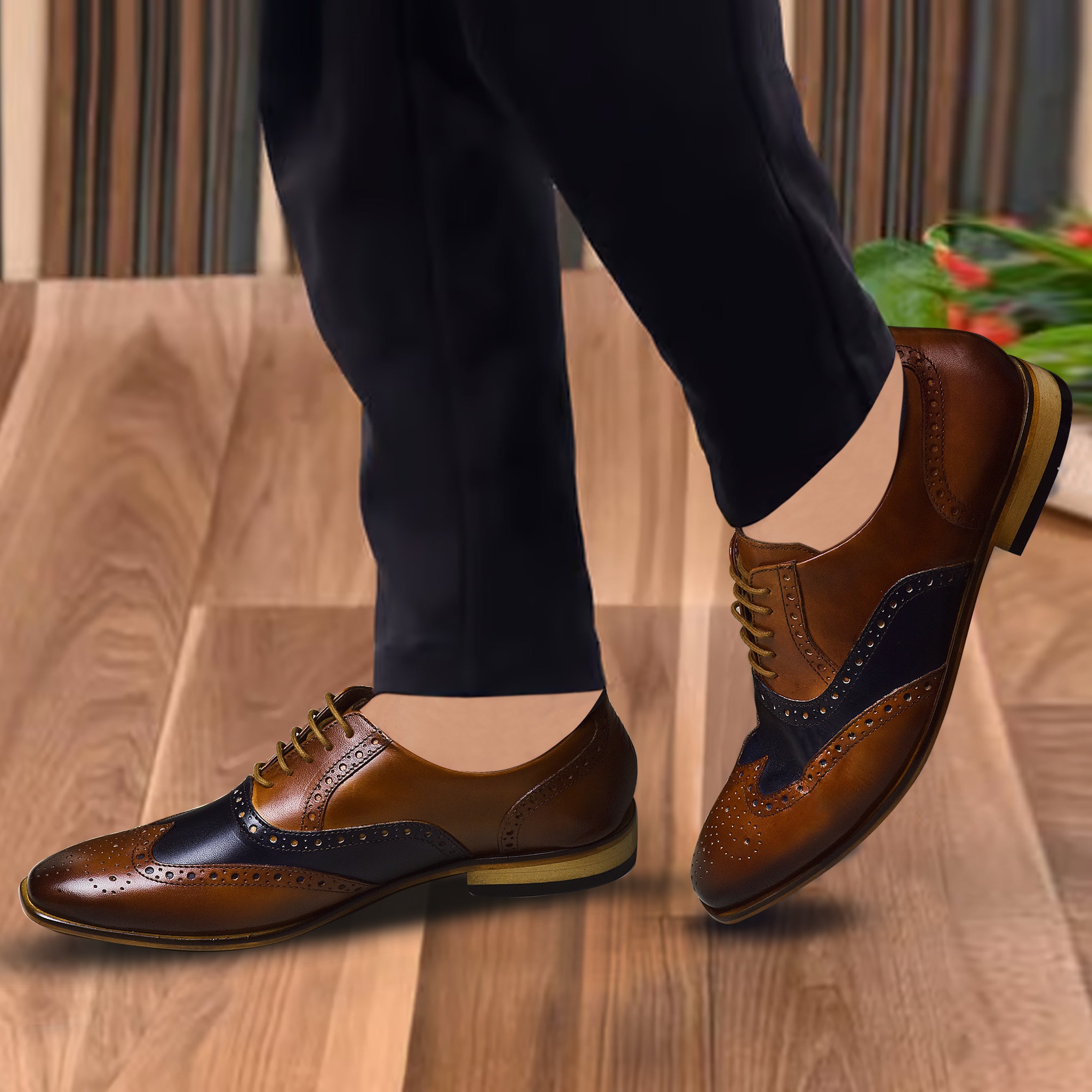
Reduced Consumption, Increased Satisfaction
Introduction: Why More Is No Longer Better
For a long time, consumption was equated with success.
Owning more meant:
- More options
- More convenience
- More status
In 2026, this belief is being challenged.
The more people own, the less satisfied they often feel.
This has led to a shift toward a new idea:
Reduced consumption leads to increased satisfaction.
The Paradox of Choice: Why More Creates Friction
What Is Decision Fatigue?
Every choice consumes mental energy.
- What to use
- What fits best
- What works today
Over time, this creates exhaustion.
The Hidden Cost
- More complexity
- Slower decisions
- Lower efficiency
Why Owning Less Feels Better
1. Clarity in Daily Life
- Easier decisions
- Smoother routines
- Improved focus
2. Stronger Connection to Possessions
- Higher value perception
- More frequent use
- Better care
3. Consistency
- Reliability
- Comfort
- Predictability
The Role of Timeless Design
- Stays relevant over time
- Works across situations
- Reduces replacement cycles
Result: Less desire to replace or upgrade.
Intelligent Functionality
- Easy to use
- Well-organized
- Built for real life
Impact:
- Less friction
- More efficiency
- More focus on meaningful work
Responsible Craftsmanship
- Durability
- Longevity
- Emotional attachment
Outcome: Products become part of your story.
Reduced Consumption and Cost Per Wear
- More usage per item
- Lower cost per wear
- Higher long-term value
The Psychological Shift
Old Mindset
- More = better
- Frequent buying = satisfaction
New Mindset
- Better = enough
- Less but better = satisfaction
Sustainability Through Reduced Consumption
- Less waste
- Fewer replacements
- Lower environmental impact
Common Misconceptions
“Owning Less Means Limiting Yourself”
It actually increases clarity and reduces unnecessary choice.
“More Options Are Always Better”
Too many options often reduce satisfaction.
“Quality Is Too Expensive”
Quality often reduces long-term cost.
How to Start Reducing Consumption
Step 1: Evaluate Usage
- Frequently used items
- Rarely used items
Step 2: Focus on Essentials
- Daily-use products
- High-impact items
Step 3: Upgrade, Don’t Accumulate
Replace multiple low-quality items with one high-quality product.
Step 4: Buy With Intent
- Will I use this regularly?
- Will it last?
- Does it add value?
The Long-Term Effect
- Cleaner environment
- Clearer mind
- More intentional lifestyle
Final Thoughts: Satisfaction Comes From Clarity
- Having what works
- Using what matters
- Removing what doesn’t
Conclusion
Reduced consumption leads to increased satisfaction because it aligns with:
- Timeless Design → reduces replacement
- Intelligent Functionality → improves daily life
- Responsible Craftsmanship → ensures longevity
The goal is not to own less—it is to own better.

Written by LA CRESSIDA Cressida