Cost Per Wear: The Real Metric
Introduction: Why Price Alone Is a Misleading Metric
Most buying decisions are made in a single moment—when you look at the price. You compare options, choose what feels reasonable, and move on.
But this way of thinking ignores the most important question:
How much value will this product deliver over time?
In 2026, more informed consumers are moving away from price-based decisions and adopting a more accurate, long-term metric:
Cost Per Wear
This isn’t just a financial concept—it’s a mindset shift that changes how you evaluate quality, durability, and real value.
What Is Cost Per Wear (And Why It Matters)?
Cost per wear is simple:
Total Cost ÷ Total Uses
But its impact is significant.
It forces you to consider:
- Longevity
- Frequency of use
- Practical value
A Simple Comparison
Option A
- Price: $120
- Used for 1 year (~300 uses)
- Cost per wear: ~$0.40
Option B
- Price: $360
- Used for 5 years (~1500 uses)
- Cost per wear: ~$0.24
The Insight
- Better performance
- Longer usage
- Lower cost per use
Why Cost Per Wear Is the Real Metric
Price tells you what you pay. Cost per wear tells you what you get.
It Reflects Real Value
- Durability
- Usability
- Relevance over time
It Rewards Better Decisions
- You prioritize quality
- You avoid short-term thinking
- You reduce waste
The Role of Timeless Design
Cost per wear only works if you continue using the product.
Trend-Based Products Increase Cost Per Wear
- Used less over time
- Feel outdated quickly
- Get replaced sooner
Timeless Products Reduce Cost Per Wear
- Stay relevant
- Work across years
- Maintain usability
The Result: More usage → Lower cost per wear → Higher value
Intelligent Functionality: Usage Drives Efficiency
A product cannot deliver value if it is not used consistently.
What Functional Intelligence Looks Like
- Easy organization
- Comfortable to carry
- Efficient layout
- Reliable structure
Why It Matters
- A daily essential
- Something you depend on
- Something you don’t replace
Responsible Craftsmanship: The Longevity Factor
What Defines Good Craftsmanship
- Strong stitching
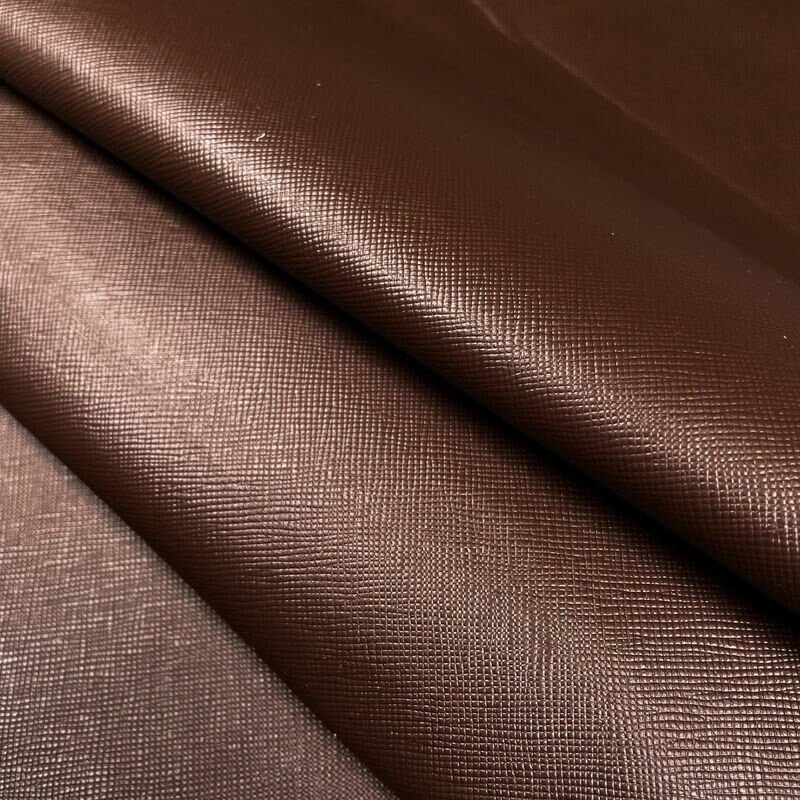
- High-quality materials
- Durable construction
The Outcome
- Maintains performance
- Ages well
- Extends lifespan
Cost Per Wear vs Cost Per Purchase
Cost Per Purchase Thinking
- Focus on price
- Short-term mindset
- Leads to repeated buying
Cost Per Wear Thinking
- Focus on value
- Long-term mindset
- Leads to better choices
The Shift:
From: “Is this affordable?”
To: “Is this worth using for years?”
The Compounding Effect of Better Choices
- Lower total spending
- Higher satisfaction
- Less clutter
Over Time:
- More efficient
- More intentional
- More refined
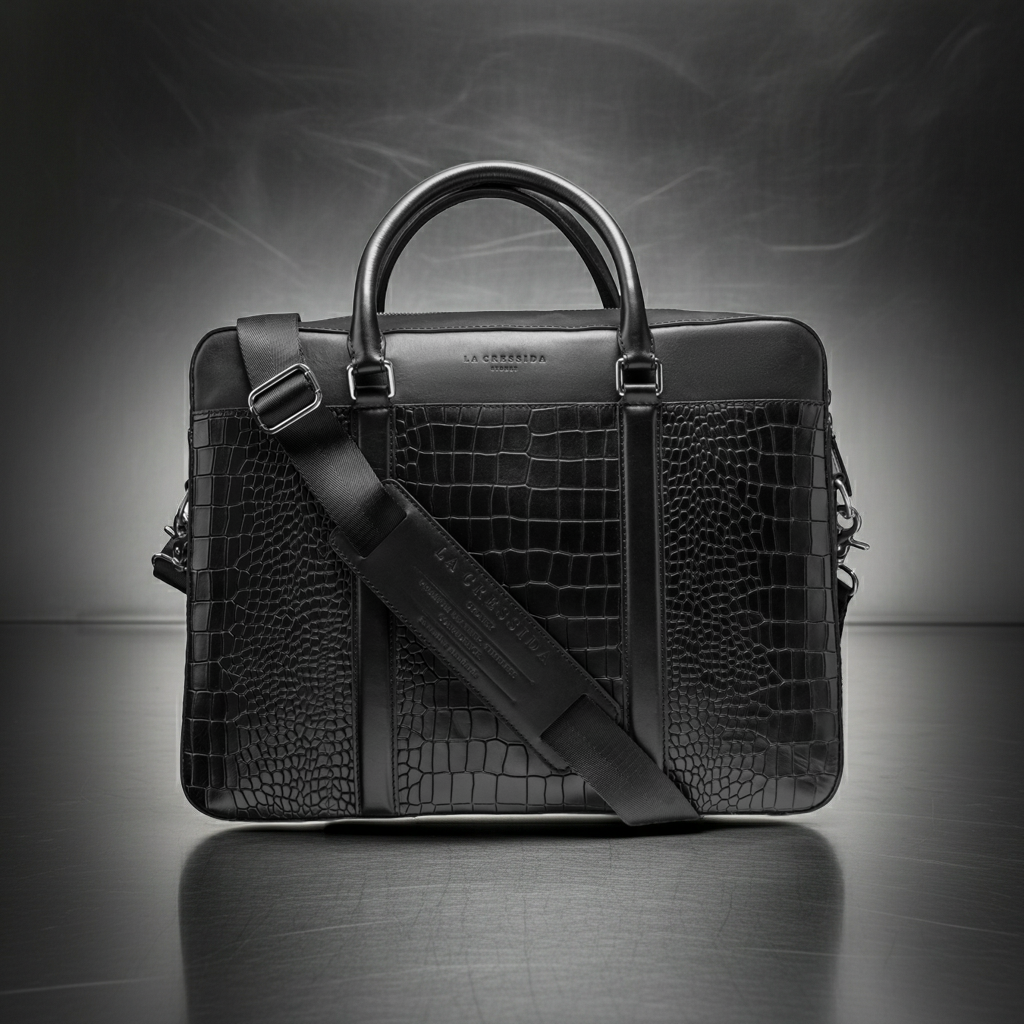
Real-World Example: Leather Bags
Why They Work
- Durable material
- Long lifespan
- Timeless design
The Result
- Gets used daily
- Lasts for years
- Becomes more valuable over time
Emotional Value: Beyond Numbers
- Daily experience
- Ease of use
- Consistency
A High-Value Product Feels:
- Reliable
- Comfortable
- Effortless
Over Time:
- Part of your routine
- Part of your identity
Sustainability Through Cost Per Wear
The Problem
- More waste
- Higher consumption
- Environmental impact
The Solution
- Buying less
- Using longer
- Choosing better
Common Mistakes to Avoid
- Ignoring longevity
- Choosing trends over timelessness
- Overbuying
- Compromising on functionality
How to Apply Cost Per Wear in Your Decisions
- Will I use this regularly?
- Will this last for years?
- Does it fit my lifestyle?
- Will I still value it over time?
If Yes: You’re making a smart purchase.
Final Thoughts: A Better Way to Think About Value
- Thoughtful buying
- Long-term thinking
- Higher standards
Conclusion
Cost per wear is the real metric because it captures what truly matters:
- Timeless Design → ensures continued use
- Intelligent Functionality → drives daily value
- Responsible Craftsmanship → extends lifespan
Together, they reduce cost per wear and increase overall value.
The smartest buyers don’t look for the lowest price. They look for the highest return on use.

Written by LA CRESSIDA Cressida